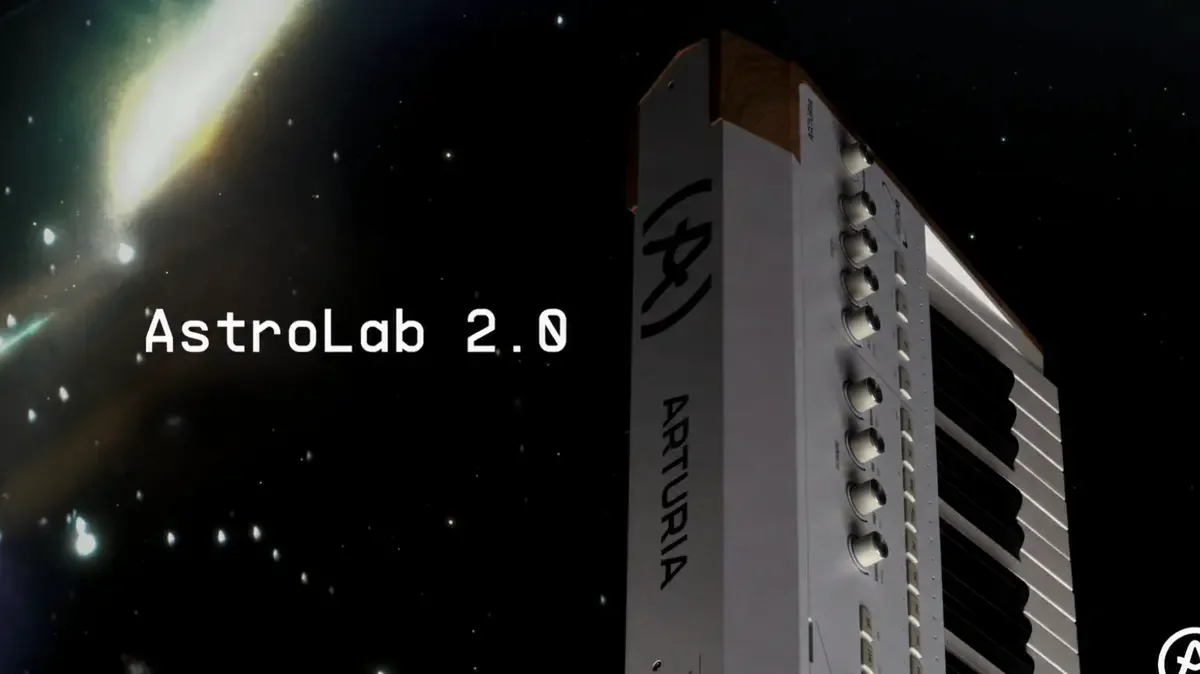


When we named the Arturia AstroLab 37 one of our 2025 Top Picks, the one real complaint was obvious: the keyboard was a brilliant player and a mediocre editor. Anything deeper than four macros meant going back to a computer. Arturia AstroLab 2.0, landing tomorrow, October 6, is the company’s answer to that, and it’s the biggest change to the platform since launch.
Sound Edit: Real Parameters on the Front Panel
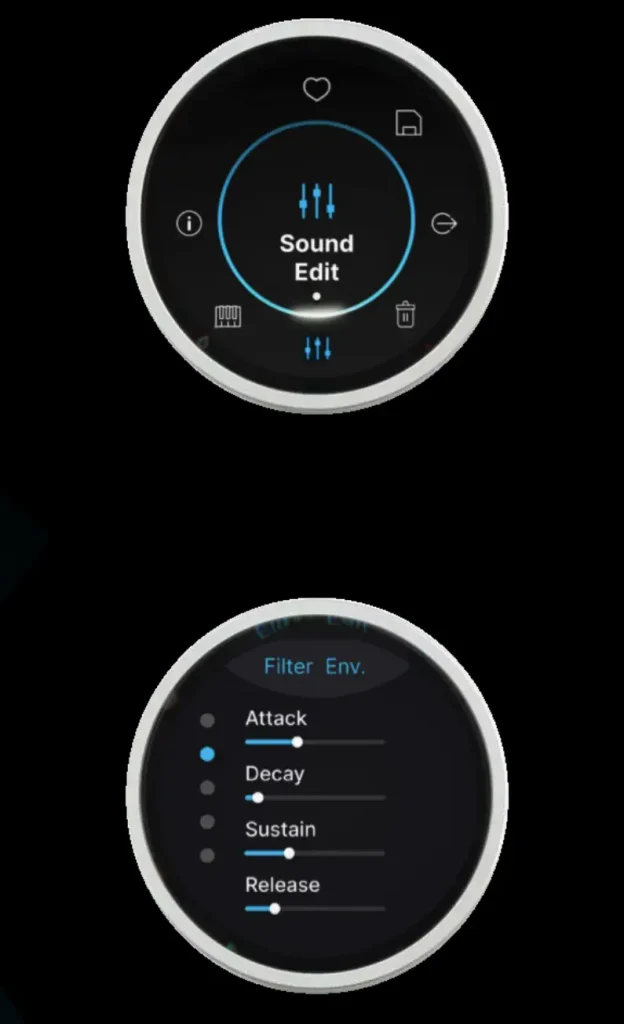
The headline is a new Sound Edit view. Each instrument now exposes its own parameters (envelopes, filter, glide and more) grouped into pages, and each page is mapped to the four macro knobs. Dive in for proper sound design, or nudge a single value between songs.

It’s a smart answer to a hardware constraint. The AstroLab doesn’t have a wall of knobs, so Arturia reuses the ones it has. That also means you’re working four parameters at a time through a paged menu, which is a long way from a dedicated knob-per-function synth. For a stage keyboard, that’s probably the right trade. For a deep patch-building session, the computer and Analog Lab are likely to stay in the picture. I’d want to see how many pages a complex engine like Pigments ends up with before calling this a true standalone editing workflow.
A New Sampled Palette
The 2.0 update also brings a new set of sampled instruments covering piano, brass, strings and bass. Lead act is Pure Grand Clean, a new acoustic piano sampled across eight velocity layers, with Acoustic Grand alongside it. Arturia adds funk and orchestral brass, pop strings, and upright and electric bass.

The release notes list 67 new factory presets (Arturia’s overview says 60+), plus a new Featured list and a reworked preset list meant to make the best patches quicker to reach. For a keyboard whose reputation rests on synth engines, a convincing piano matters. Gigging players have always judged stage keyboards by their piano first, and this was the obvious gap to fill. It’s also an AstroLab update that finally talks to the acoustic crowd. Owners of the larger models should be the happiest: the 61 has a semi-weighted keybed, and the 88 has a Fatar TP-40L hammer-action keybed, which is exactly what a proper piano sample wants underneath it. How the new pianos hold up against dedicated stage-piano libraries is something we’ll find out once it’s in our hands.

Performance and Stability Fixes
This is where the community requests show up. Arturia lists improvements to sampler polyphony and performance, plus Synthx polyphony and performance. Sampler voice management is now rotating, which should make voice stealing less audible when you hold big chords.
Performances get attention too: updates are now handled properly, and Arturia has improved link stability and file transfer stability. Those two items are quietly the most important. If you’ve ever watched a sync to Analog Lab stall minutes before a soundcheck, you know a stable link matters more than any new preset.
Small UX Wins
A few smaller changes round things out. Transposition now shows on the Octave LEDs, a feature you’d think was there from day one. Aftertouch feel has been improved, though Arturia doesn’t say how, so that one needs hands-on time. The AstroLab version display has also been improved, which helps when you’re checking that every unit in a rig is on the same firmware.
Pricing and Availability
Arturia AstroLab 2.0 arrives today as a free firmware update, which is the right call for a release that fills gaps owners have been asking about. Like version 1.3 before it, there’s no paywall between you and the new Sound Edit view or the new sampled instruments. For the original hardware coverage, see our AstroLab 37 review. The AstroLab range is available in 37, 61 and 88-key versions. For more info please visit the Astrolab web page.