

Pyramix is not the DAW most people name first, but in mastering, classical recording, and immersive post, it has earned a proper seat at the table. Merging Technologies has released Pyramix 16, and this update feels aimed at engineers who care about workflow precision, routing depth, and fewer handoffs between tools.
Why Pyramix Still Matters
If you have never used Pyramix, think of it as a specialist’s DAW rather than a generalist’s one. It has long been associated with high-end recording and mastering work where editing accuracy, large track counts, and complex routing matter more than flashy shortcuts.
That context matters because Pyramix 16 is not chasing trends for the sake of it. Instead, it targets the parts of pro audio that still slow people down: stereo placement, immersive delivery, and platform flexibility.

What Pyramix 16 Changes
The headline feature is PanNoir, a stereo panning approach developed with engineer Jean-Daniel Noir. Merging says it is designed to let spot microphones sit alongside a main stereo pair with fewer of the comb-filtering problems that can make orchestral and acoustic mixes feel unstable.
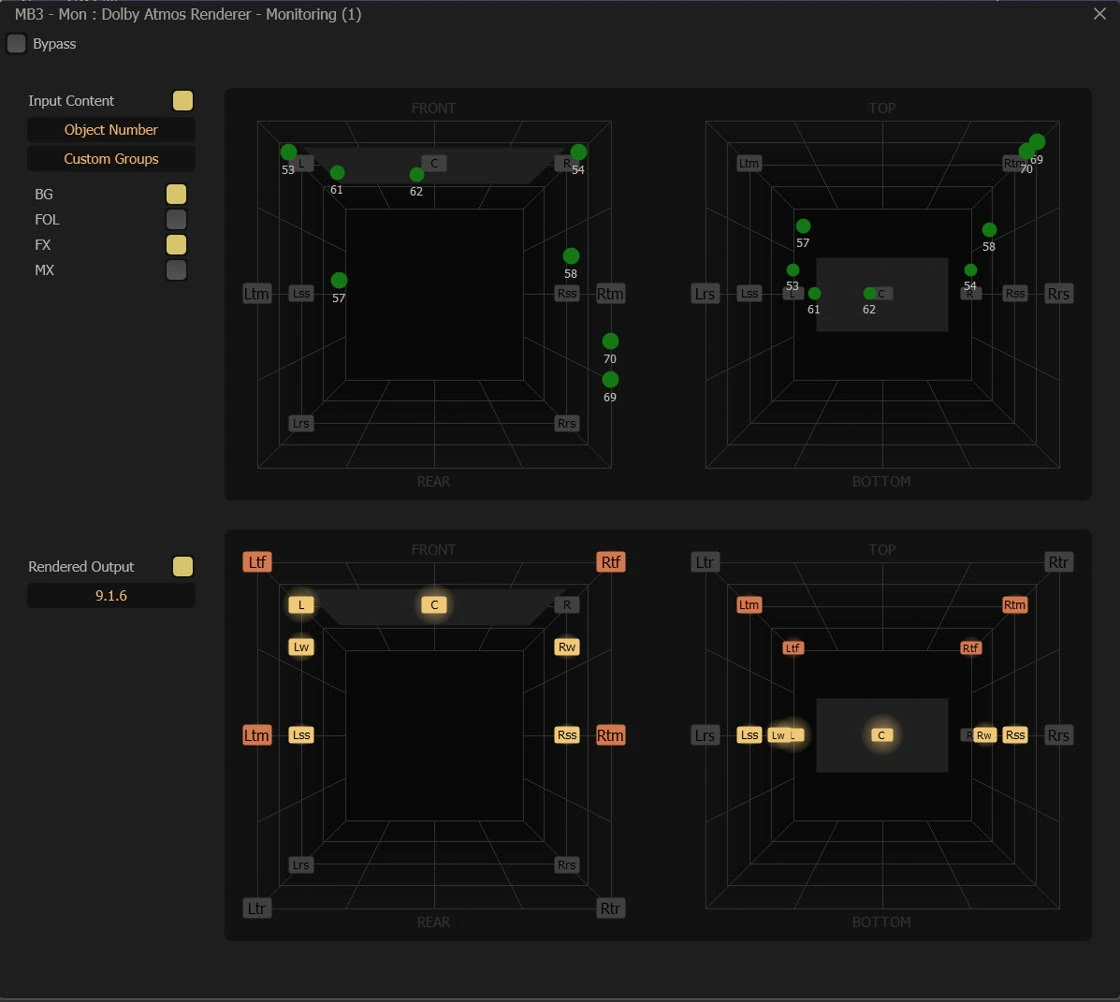
The other big move is the built-in Dolby Atmos Renderer in the Premium tier. That matters because it reduces the need to jump between separate applications when building immersive mixes, especially for studios already using Pyramix for classical, broadcast, or post-production work.
Pyramix 16 also adds Parallels Desktop support, which is the most interesting platform shift in the release. In practical terms, that gives Mac users a path into a DAW that has traditionally lived in a Windows-first world, which could be important for small rooms and one-person studios that now rely on Apple Silicon.

Why The Timing Works
Immersive audio is no longer a niche conversation, and software makers are being pushed to make Atmos workflows less awkward. At the same time, the studio world has become more hybrid, with engineers expecting their main DAW to sit more comfortably alongside other tools and operating systems.

That is why this version feels timely. It is not just adding features; it is trying to remove friction from workflows that were already becoming more complicated.
Honest Take
Merging Technologies makes some strong claims here, and the company has earned the right to be taken seriously. Even so, PanNoir is the kind of feature that will need real-world testing before anyone should talk about it as a game changer.
The Atmos renderer is more straightforward to judge, because built-in rendering usually does save time and simplify setup. The Mac support story is also compelling, but it will matter most if the Parallels experience is stable enough for serious sessions rather than just casual compatibility.
Pricing and Availability
Pyramix 16 is available now from Merging Technologies, with Elements, Pro, and Premium versions in the lineup.
For full product information, visit: Pyramix product page
Bigger Picture
This release signals something broader about pro audio software. The top end of the market is increasingly defined by workflow integration, immersive output, and platform flexibility rather than simple track-count bragging rights.
Pyramix 16 feels like a reminder that specialist tools still matter when the job is precise enough. It is not trying to be everything to everyone, and that is exactly why it remains relevant.
Community Question
Are you using a specialist DAW for a specific kind of work, or has one main platform become enough for everything you do?